

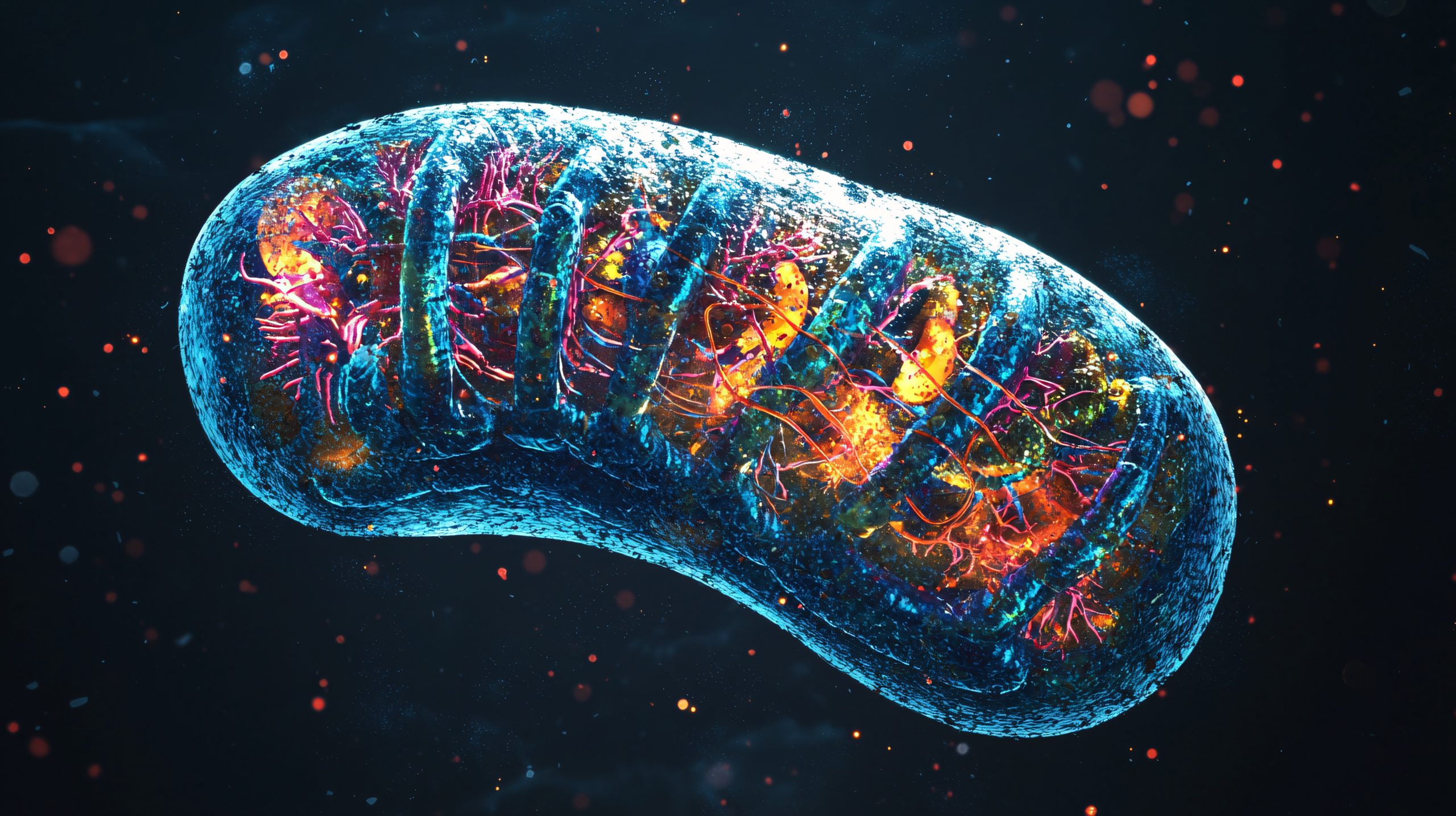
At some point in the evolution of life, prokaryotic cells evolved to give rise to eukaryotic cells. These, among other innovations, possibly incorporated mitochondria into their internal structure through endosymbiosis: the energy “factories” that every cell needs to keep its vital functions running. The eukaryotic cell is more complex than the prokaryotic cell and begins to develop a growth process based on modules: autonomous units that coordinate with the system as a whole. The presence of the mitochondrial module is the most obvious example.
Similarly, in the productive structure of a company, it is possible to increase its complexity by successively adding productive modules coordinated with the whole. The supply chain becomes more complex as a result of the synergistic integration of modules into the whole. It is an obvious growth strategy using autonomous units that do not compromise the whole but make it more robust. One good example of this is incorporating, for example, an algae cultivation plant to capture the CO2 generated by energy consumption in a cement factory, as designed and implemented by the Mexican company CEMEX in Spain several years ago. The module does not compromise the operation of the rest, but optimizes it.
In this specific case, the resulting assembly with this additional module is more complex, but adding or removing the module does not compromise its viability. When the built-in module does substantially increase the efficiency of the whole, we talk about “tractor modules” that substantially change the situation. This is the case, for example, with old steam engines or today’s microchips for multiple applications. Its modular incorporation not only strengthens the whole but also increases the diversity of viable solutions. Just as mitochondria help diversify multiple types of eukaryotic cells, opening up new avenues for evolution.