
Bibliography repository on Biomimicry

The METTI blog is a dynamic space where reflections, learnings, and case studies are shared on biomimicry, technological evolution, sustainability, and responsible innovation.

Design in Nature
Nature provides us with design models that can help us solve engineering or architectural problems.

Biomimicry: The future of rare earths
The so-called “rare earth elements” are currently a geopolitical battleground. Cutting-edge technologies linked to digitalization, AI, quantum computing, and countless other applications depend on this critical supply.

Green innovation: amino acid-inspired surfactants
Surfactants are substances that have been widely used for centuries in a growing number of business sectors (cleaning products, cosmetics, surface treatment, agriculture, etc.).

Creative destruction: the biological engine of the economy
In his latest influential book, Le pouvoir de la destruction créatrice (Odile Jacob, 2020), Philippe Aghion, winner of the 2025 Nobel Prize in Economics, argues for the importance of technological innovation for economic growth and productivity.

Viability: Nature’s lesson for technology
In 1917, Scottish biologist and mathematician D'Arcy Thompson published a book entitled On Growth and Form, which would have a profound influence on several generations of biologists, artists, architects, and engineers.

Probiotics in cleaning: the new natural era that is replacing chemicals
A technology is gaining prominence in the field of cleaning and disinfection products: probiotics.

From the cell to the supply chain: The evolutionary advantage of modular growth
At some point in the evolution of life, prokaryotic cells evolved to give rise to eukaryotic cells. These, among other innovations, possibly incorporated mitochondria into their internal structure through endosymbiosis: the energy “factories” that every cell needs to keep its vital functions running.

Fewer steps, better decisions
Large corporations that invest huge amounts of money in research and development usually have strict procedures in place for monitoring the activities that form part of their project portfolio.
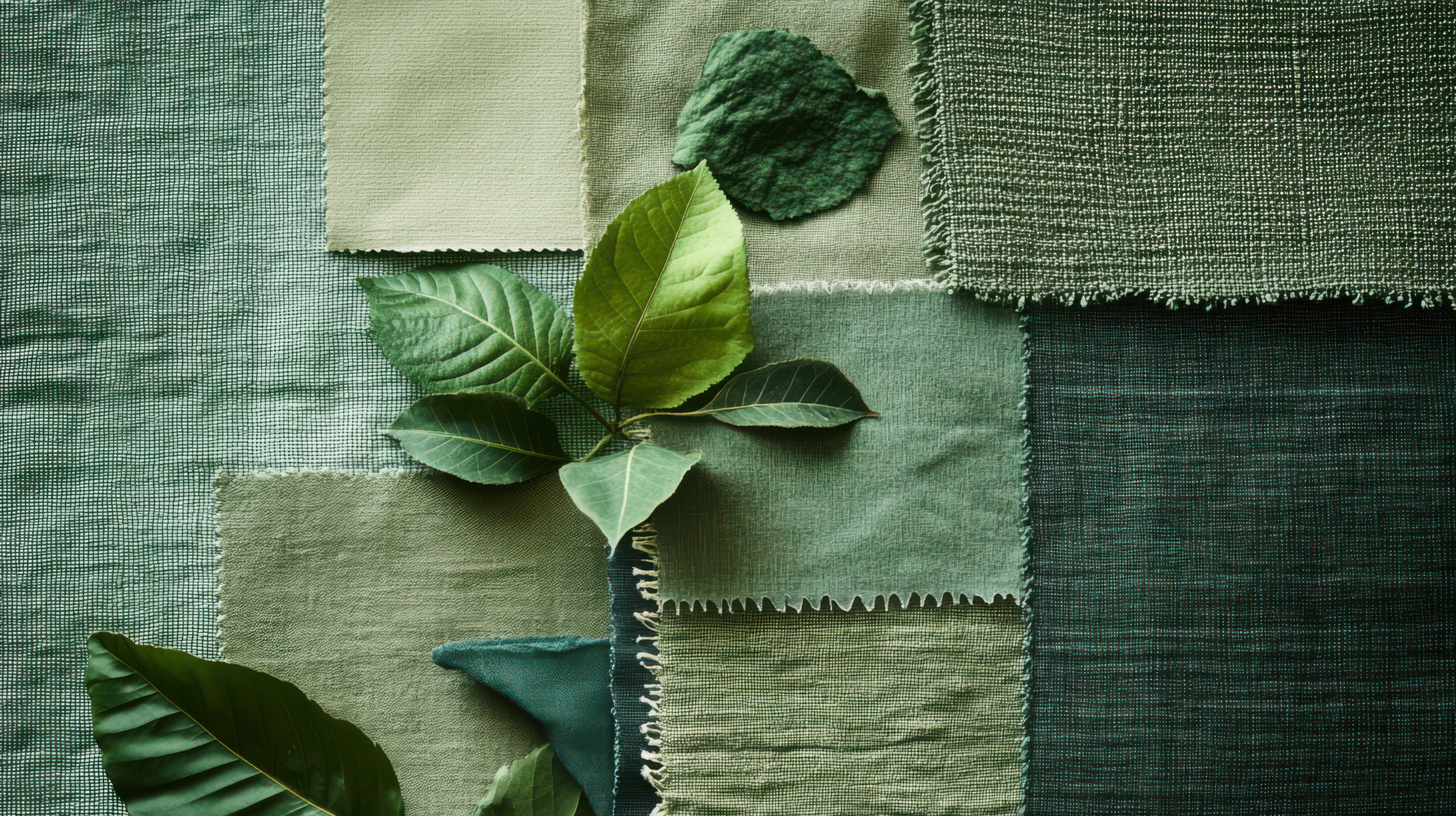
Innovating from the material: the Pyratex case
Pyratex leads the textile industry through technological innovation in natural and recycled raw materials, replacing synthetic fibers with sustainable solutions. Its model stands out for applying the circular economy and total traceability, reducing environmental impact without compromising technical performance.